 Thames Kay Consultancy LLC
Risk analysis for LLM multi-agent systems.
When you connect multiple LLM-based agents into a workflow, the risks compound: errors cascade, behaviours interact, and oversight gets harder. This report from the Gradient Institute sets out structured techniques for analysing and governing the risk of multi-agent systems — practical methods for teams putting agents into production.
Compounding risk needs structured analysis.
A single agent that loops, hallucinates or is hijacked is a contained problem. Chain several agents together — each calling tools, passing outputs to the next — and failures propagate in ways that are hard to predict and harder to detect. Governing these systems means analysing risk at the level of the whole workflow, not the individual agent.
Where risk compounds
- Cascading failures — one agent's error becomes the next agent's input
- Emergent behaviour — interactions produce outcomes no single agent would
- Oversight gaps — autonomous hand-offs reduce the points where a human can intervene
- Accountability — tracing which agent caused which outcome across a chain
Risk-analysis techniques, visualised.
Selected figures reproduced from the report under its Creative Commons Attribution 4.0 licence.
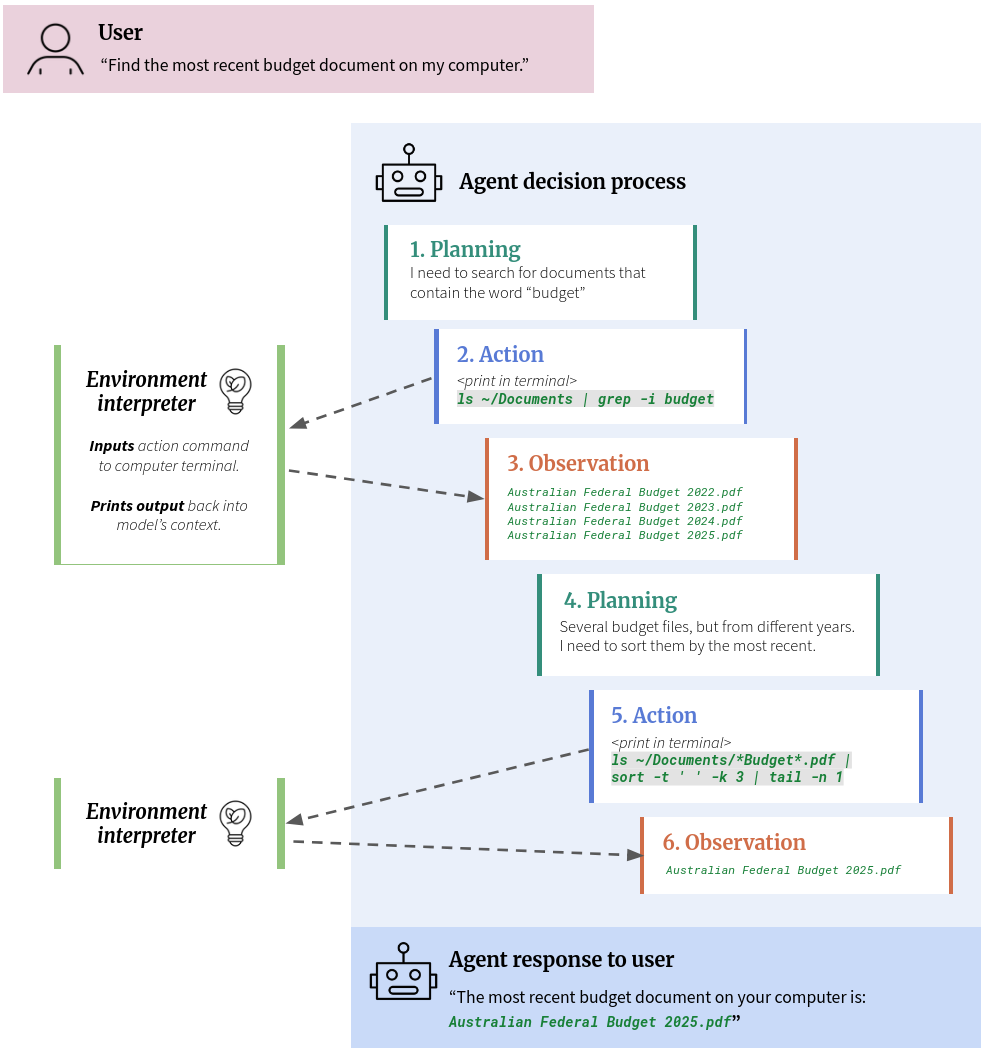
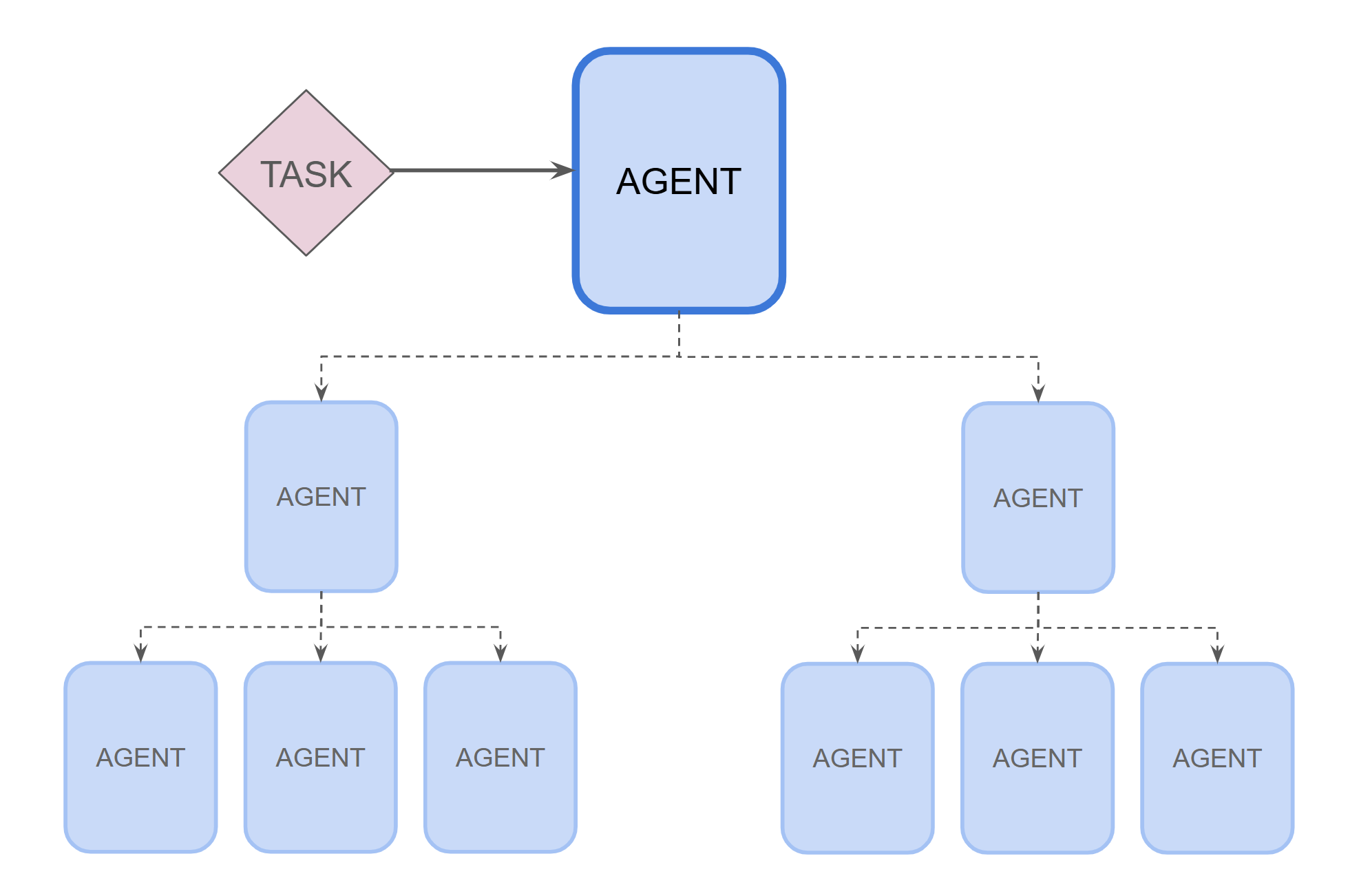
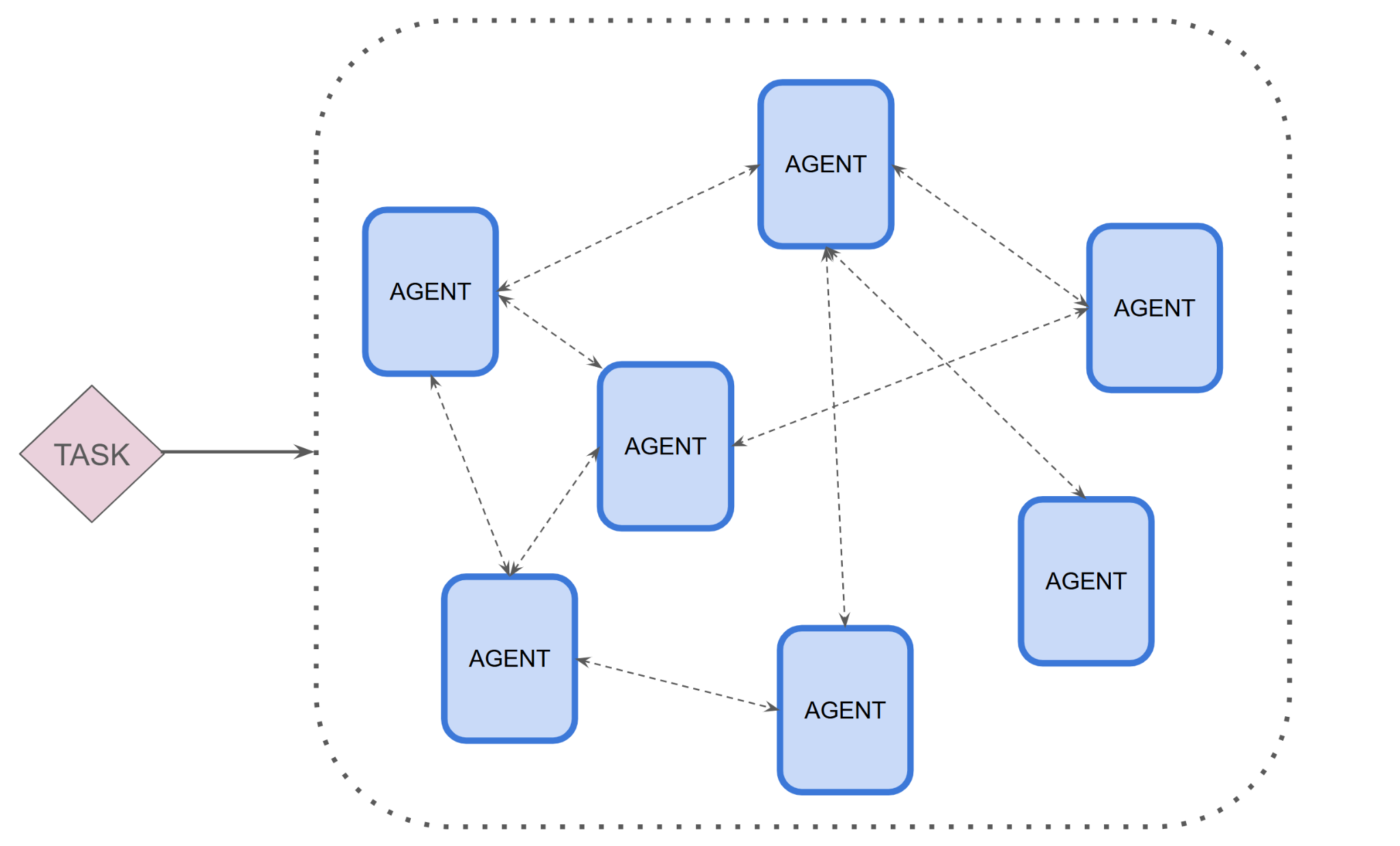
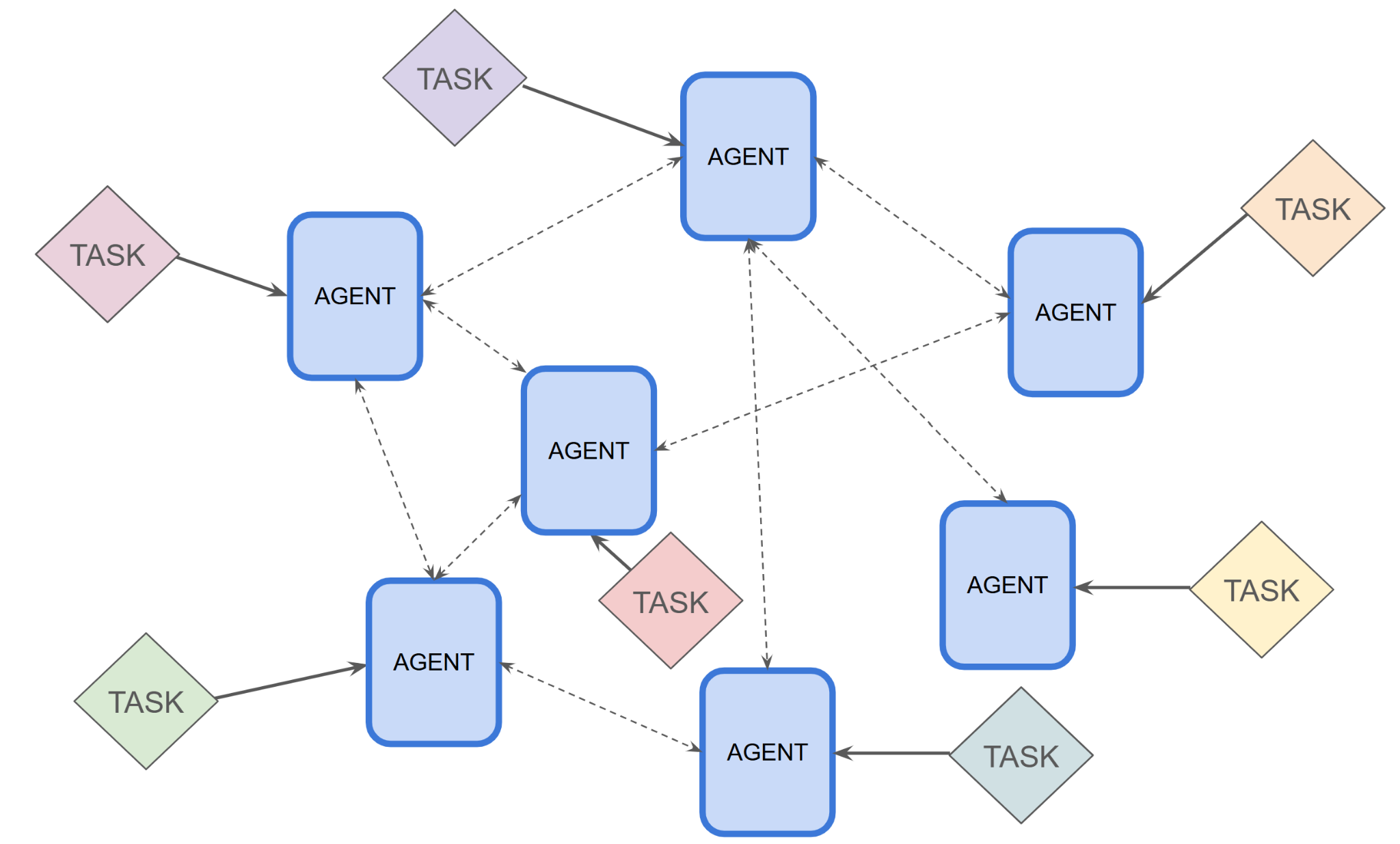
"Risk Analysis Techniques for Governed LLM-based Multi-Agent Systems" by Alistair Reid, Simon O'Callaghan, Liam Carroll and Tiberio Caetano, © Gradient Institute Ltd. 2025. Provided under a Creative Commons Attribution 4.0 International (CC BY 4.0) licence; figures reproduced with attribution.
Visit Gradient InstitutePut governance around your agent workflows.
We apply structured risk-analysis techniques to your multi-agent design — before failures cascade in production.
Govern your multi-agent build